TRAFFIC Hails Landmark Decisions at CITES CoP20 but Urges Continued Action
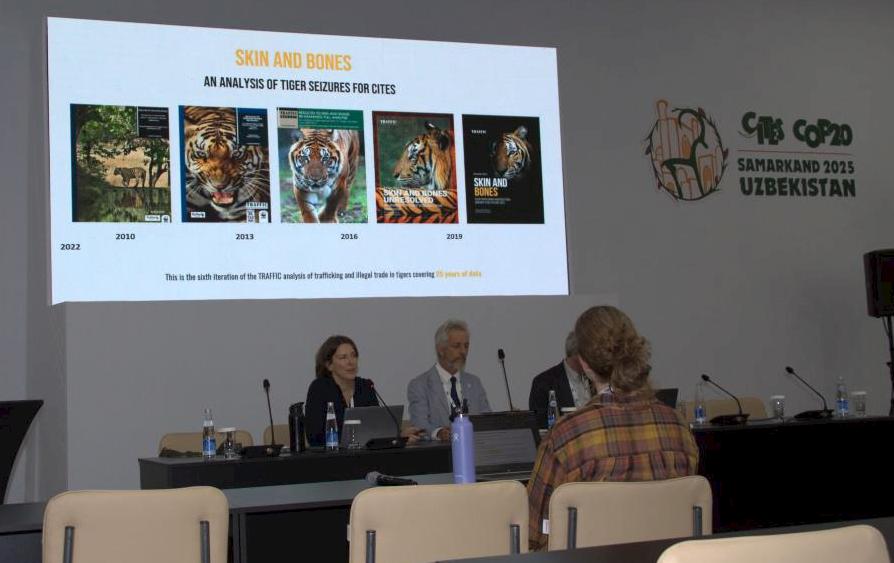
As CITES CoP20 closes in Samarkand, Uzbekistan, TRAFFIC notes highlights from the event. Lasting success will now require nations and regions to cooperate and take concrete action to stop illegal wildlife trade whilst also driving sustainable livelihoods.

TRAFFIC Executive Director Richard Scobey. Photography by IISD/ENB Danny Skilton
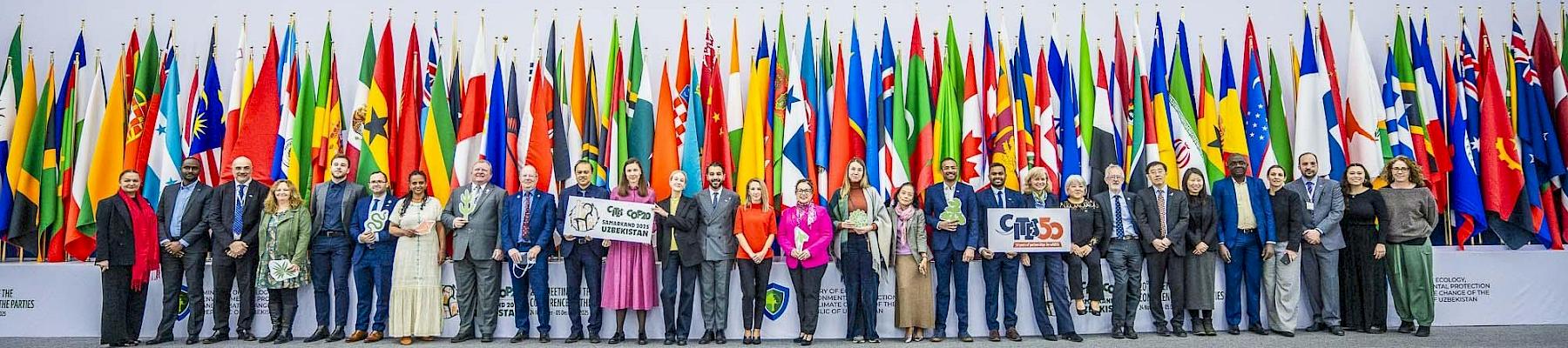
The 20th meeting of the Conference of the Parties to the Convention on International Trade in Endangered Species of Wild Fauna and Flora (CITES CoP20) concluded on Friday, marking a milestone for global wildlife trade governance.
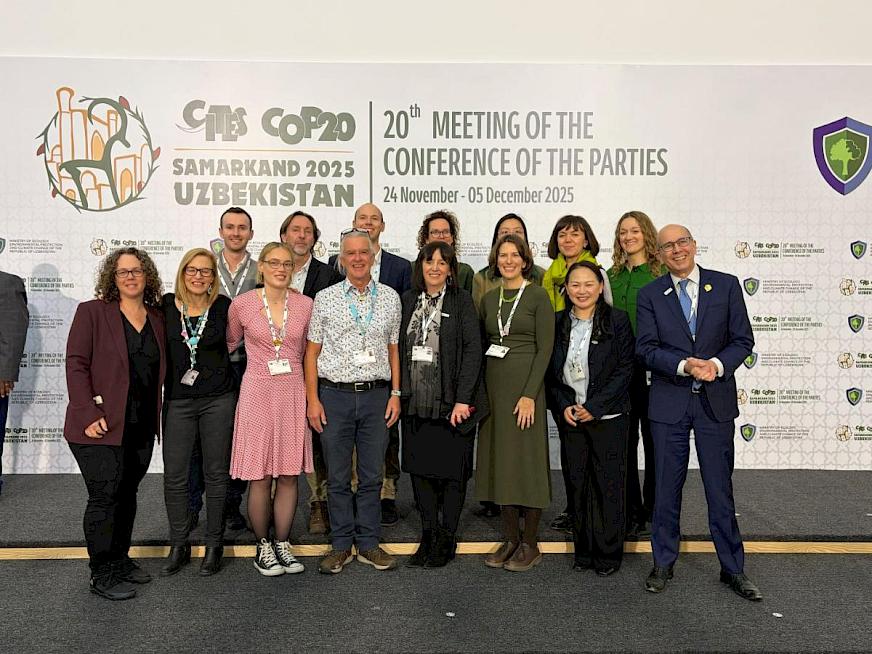
TRAFFIC, which sent an international delegation to the event in Samarkand, Uzbekistan, welcomed significant achievements while underscoring areas where urgent work remains.
Held for the first time under the full implementation cycle of the Kunming-Montreal Global Biodiversity Framework, CoP20 showcased renewed collaboration among nations. African states demonstrated unprecedented unity, coordinating positions as a regional bloc to drive ambitious decisions that will shape wildlife trade policy for years to come.
A major highlight was the Samarkand Declaration, signed by Ministers of five Central Asian countries, signaling a new era of regional cooperation to stop illegal wildlife trade and drive sustainable livelihoods.
TRAFFIC Executive Director Richard Scobey:
As we mark 50 years of CITES, CoP20 has been a powerful example of effective global negotiation and evidence-based decision-making to protect nature and livelihoods.
"The past two weeks here in Uzbekistan have delivered significant progress in agreeing new protections for threatened species. In particular, at a time when many governments around the world are running away from multilateral collaboration, the five governments of Central Asia have come together in the Samarkand Agreement to accelerate regional action to tackle illegal wildlife trade.
"TRAFFIC is proud to have been able to support the CITES Secretariat and all the Parties CoP20 in making evidenced-based decisions, and we look forward to ongoing partnership as we jointly seek to turn decisions into action for people and nature."
Key Conservation Wins
Saiga Antelope: With Kazakhstan’s Saiga population reaching 3.9 million, delegates adopted a robust package of measures to strengthen monitoring, traceability, and cross-border cooperation.
This is exactly the type of pragmatic, science-based decision-making that CITES was created for,”
Sarah Baker Ferguson, TRAFFIC Director of Policy.
Marine Species: New listings for sharks and rays, along with strengthened enforcement measures aim to close gaps in monitoring and traceability, will address long-standing challenges in data-poor fisheries. TRAFFIC particularly welcomes the inclusion of deep-water sharks, whose slow reproductive rates make them exceptionally vulnerable to overexploitation.
Bontebok: Once near extinction, this South African antelope was celebrated as a conservation success story.
Paubrasilia echinata: The Brazilian pernambuco tree listing balanced conservation needs with cultural and economic concerns, thanks to constructive input from musicians and artisans.
Areas of Concern
Despite progress, TRAFFIC expressed disappointment over missed opportunities:
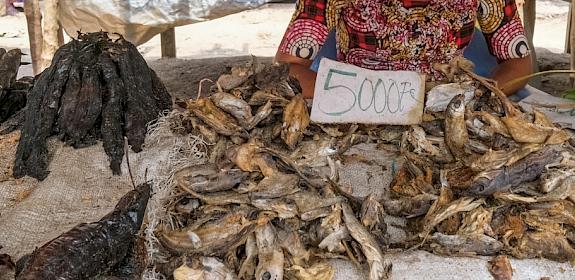
Eels: No global action was taken despite rampant trafficking and declining stocks.
- Peregrine Falcons: The decision not to downlist with a zero-export quota ignores evidence of population recovery and well-managed trade systems.
Livelihoods: Limited progress was made in recognizing the role of sustainable trade in supporting rural and Indigenous communities, enhancing benefits to local community livelihoods.
Look-Alike Species: A deeper review was deferred, raising concerns about unnecessary listings driven by enforcement challenges.
TRAFFIC welcomed an increase to the CITES Secretariat’s core budget but warned that resource constraints persist. Parties to ensure mandates remain realistic and financeable.
Looking Ahead
Overall, TRAFFIC considers CoP20 a success, delivering meaningful conservation outcomes and reinforcing the role of regulated trade in supporting species and communities.
"As both TRAFFIC and CITES mark their 50th anniversaries, this CoP has demonstrated the enduring relevance of multilateral cooperation in safeguarding wild species. We remain committed to working with Parties, the CITES Secretariat, Indigenous and local communities, and civil society partners to translate these decisions into effective action on the ground.”
Sarah Ferguson