TRAFFIC teams accelerate preparations as CITES Conference nears
With just 100 days until the CITES CoP20 opens in Samarkand, Uzbekistan, TRAFFIC staff are intensifying efforts in data analysis and policy advice, recognising the critical importance of this global event in shaping the future of wildlife trade governance.
CITES CoP20, which takes place from 24 November-5 December 2025, is a major international meeting attended by 185 signatories (or ‘Parties’), along with many observers such as NGOs, where nations decide how to better protect wild species which may be threatened by unsustainable trade.

Taking place usually every three years, one key CoP activity is to determine which species should be added to (or removed from) CITES Appendix 1 – meaning no commercial trade is allowed from wild-sourced specimens, or Appendix 2 – where sustainable trade is allowed under strict licensing terms.
International cooperation through the CITES processes is vital to secure the future of the earth’s species.
Providing the most comprehensive information and cutting-edge analyses is essential, so that CITES delegates can make the most informed decisions.
With only 100 days to go, TRAFFIC’s science and policy teams are in full delivery mode including:
- Analysing all proposals submitted by Parties for specific species to be added or removed from the Appendices and determining if the proposals meet biological and legal criteria for the proposed inclusion/removal or adjustment.
- Publishing the Full Analyses and Summary Analyses of the findings (due 19 September)
- Developing a Briefing setting out TRAFFIC’s recommendations on strategic and implementation agenda items (due October 10)
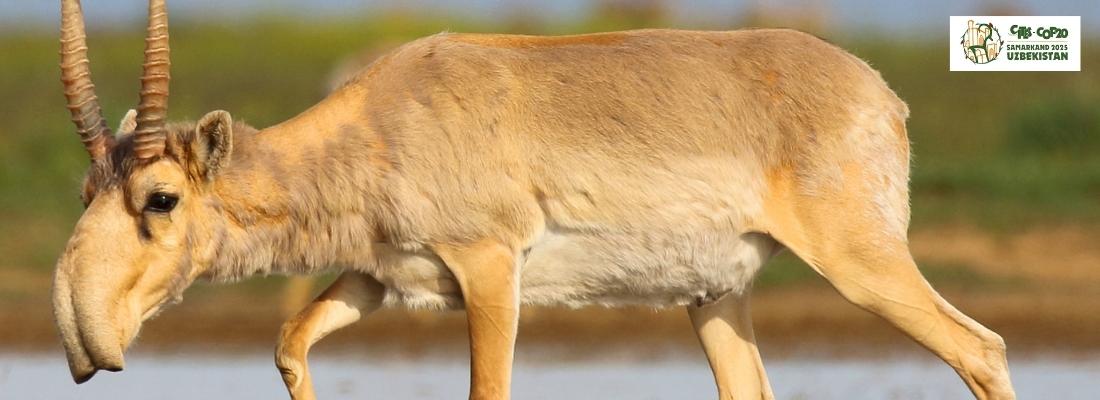
- Publishing TRAFFIC data and analysis from our work in Uzbekistan and Central Asia, the region important for wildlife trade where the CoP is being held for the first time: see Our Work in Central Asia, and Digital Defenders: Kyrgyzstan Arms Law Enforcement Agencies with New Data Tool to Stop Wildlife Smugglers, and TRAFFIC calls for increased attention to Central Asia's wildlife trade .
- Highlighting recently published research on illegal trade which will inform debate at CITES CoP on:
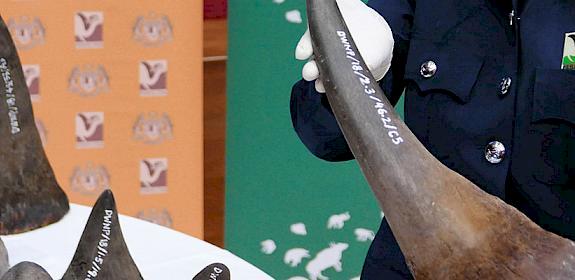
Rhinos: see report on rhino poaching and illegal trade with new tool to explore data summaries
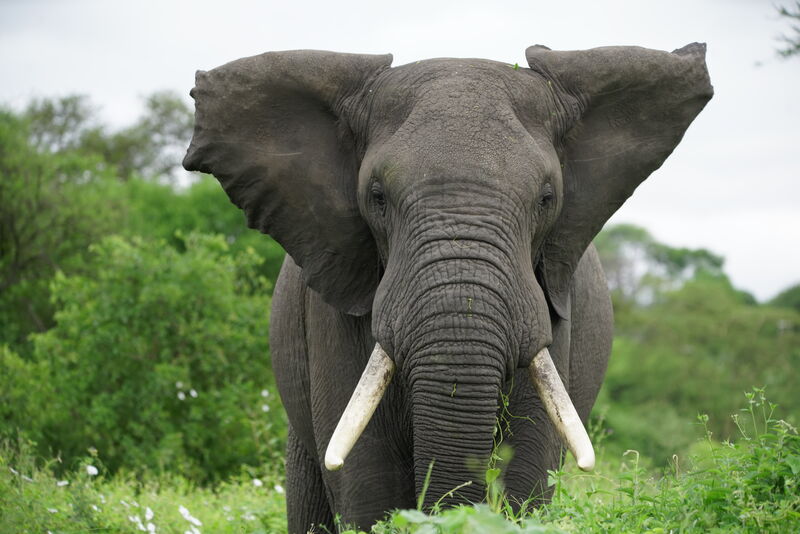
Elephants: technical report on illegal trade data plus interactive mapping tool to show illegal trade maps
The illegal wildlife trade is one of the defining crises of our time. It drives species extinctions, destroys ecosystems that would mitigate climate change, and increases poverty by denying local communities fair livelihoods. It also fuels global crime, and risks transmission of serious disease from animals to humans. The outcomes of this CITES CoP are relevant to us all, and have never been more important. We look forward to working with all the Parties to support robust outcomes for people and planet.”
Sarah Baker Ferguson, TRAFFIC Policy Director
Advising and supporting the decision-making processes, as well as the implementation and enforcement of CITES, has always been at the heart of TRAFFIC’s work, having been set up 49 years ago to monitor and provide analysis on the trade in wild species for the Convention. For more information on TRAFFIC’s work with CITES, please see here.
Notes:
- More information will be loaded onto our CITES CoP20 page as it becomes available.
- For more information on TRAFFIC’s involvement at CITES CoP20, please contact Director of Policy
- For any media enquiries please contact Director of Communications
![[left] Do Xuan Hoa, Vice Chairman of VATA [right] Han Ruilin, Vice Chairman of CEA sign Memorandum of Understanding](jpg/mou_signing_between_vietnam_automobile_transport_association_vata_and_the_china_express_association_cea.-575w.575x280.1717512698.jpg)