Rhino poaching falls, but populations still at risk — new global report warns of multiple threats
- Rhino poaching in Africa drops to lowest level since 2011, but total rhino numbers decline 6.7% — with white rhinos at near two-decade low
- Asian rhinos stable, but Critically Endangered species in Indonesia face extinction
- Illegal rhino horn trade remains global threat: 1.8 tonnes seized in three years (approx. 716 whole horns), with South Africa, home to the largest rhino populations, continuing to be most affected
A new report from TRAFFIC, the International Union for Conservation of Nature (IUCN), and the IUCN SSC African and Asian Rhino Specialist Groups reveals progress in curbing rhino poaching — but also warns of ongoing population declines and persistent illegal trade.
Commissioned by the Secretariat of the Convention on International Trade in Endangered Species of Wild Fauna and Flora (CITES) for the 20th Conference of the Parties (CoP20), the report offers the most authoritative assessment of rhino populations, poaching, and trade trends across Africa and Asia.
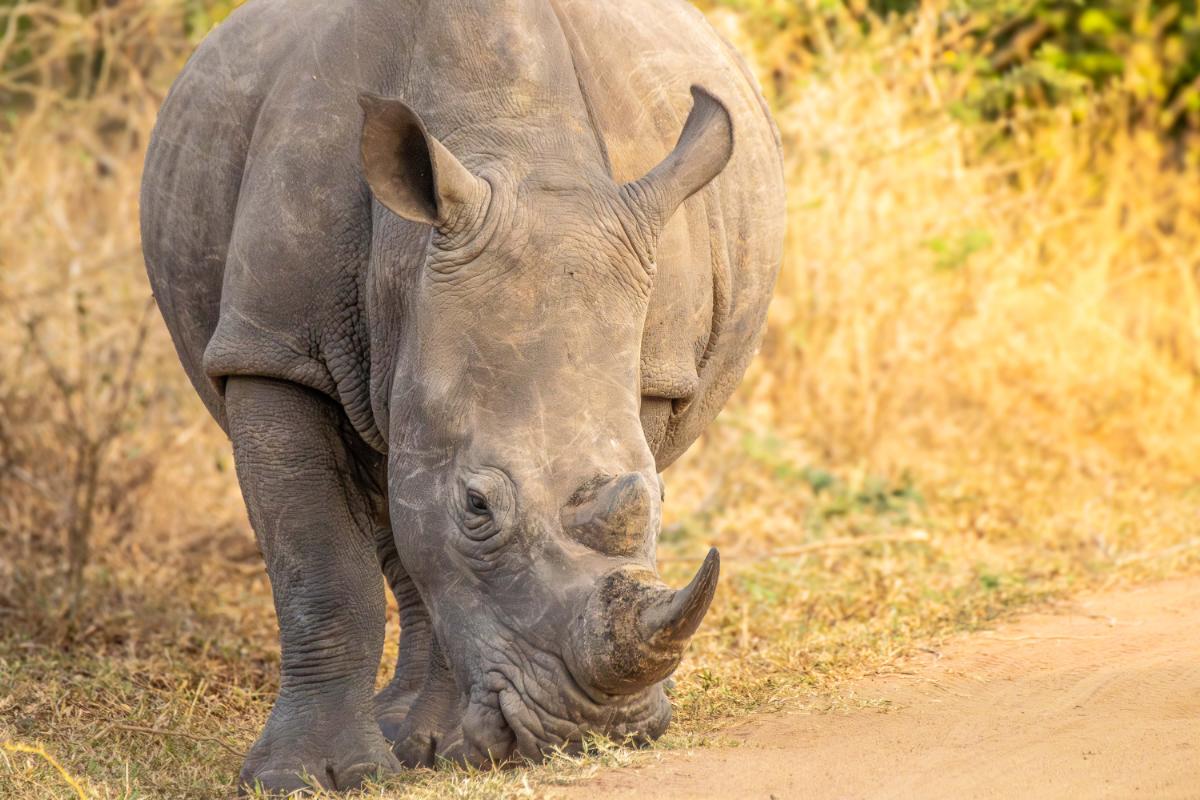
Poaching in Africa lowest in a decade — but white rhino numbers drop
Poaching accounted for the loss of just 2.15% of Africa’s total rhino population in 2024 — the lowest rate recorded since 2011 — thanks to site-based protection, intelligence-led enforcement, and growing efforts by governments and local communities.
But despite that progress, Africa’s overall rhino population declined by 6.7%, down to an estimated 22,540 animals.
The decline was driven primarily by a sharp drop in white rhino numbers, which fell by over 11%, down to their lowest numbers since 2007, due to a combination of factors, including increased poaching pressure, extended droughts, and management limitations.
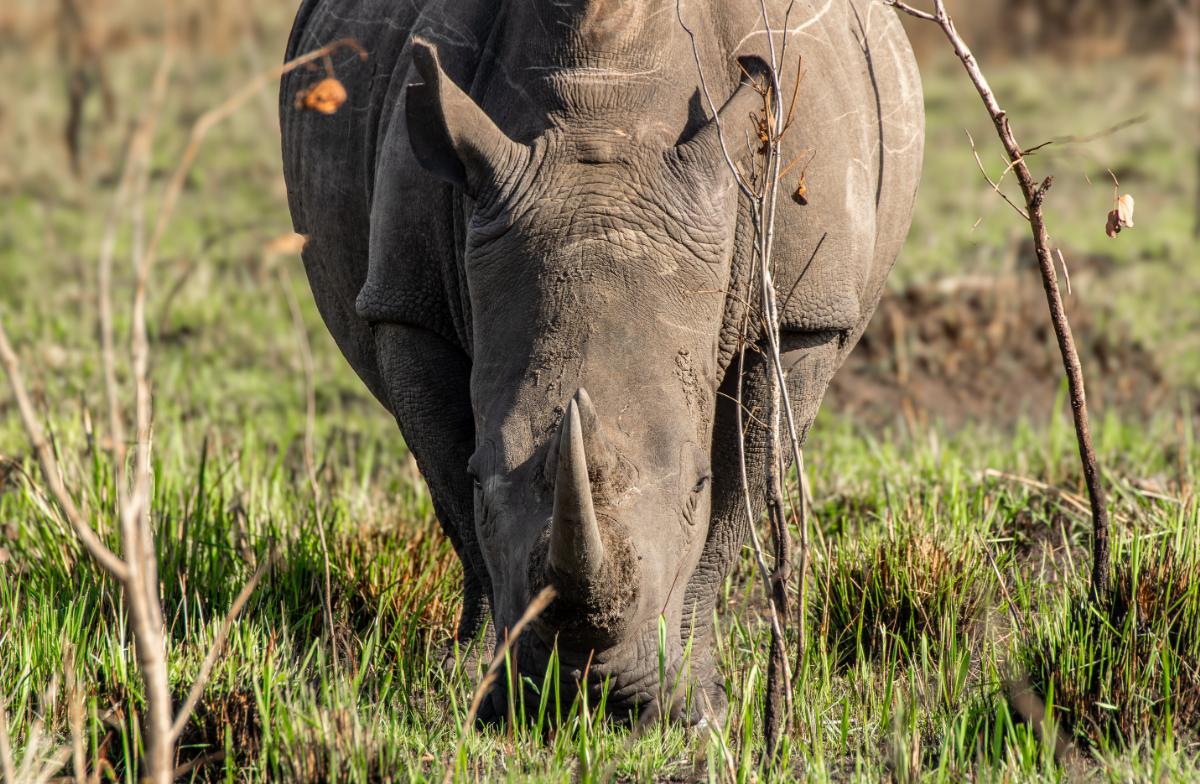
In contrast, the population of black rhinos grew by 5.2%.
While encouraging gains have been made in black rhino recovery, the recent decline in white rhino numbers is a stark reminder that conservation progress remains fragile. Lasting success depends not only on strong protection, but also on integrated management approaches that include and empower local people. Conservation efforts grounded in local stewardship, shared benefits, and collaborative governance are essential to secure the future of Africa’s rhinos.” — Dave Balfour, Chair of the IUCN SSC African Rhino Specialist Group
South Africa — home to the majority of the world’s rhinos — recorded a rise in poaching in early 2025, with at least 91 rhinos killed in the first quarter alone, many in privately managed reserves. Chad also reported the loss of two of its four reintroduced black rhinos.
Asian rhinos show signs of stability — except in Indonesia
The report found continued recovery among greater one-horned rhinos, whose population in India and Nepal grew to an estimated 4,075 individuals.
But Southeast Asia’s rhino species, which are only found in Indonesia, remain on the edge of extinction: only around 50 Javan rhinos remain, and Sumatran rhinos are estimated at just 34–47 individuals.
Rhino conservation is proving that change is possible. While challenges do remain, successes in South Asia and parts of Africa show that intelligence-led enforcement, community engagement, and secure habitats can reverse declines. Lasting impact, however, demands sustained investment, political will, and global collaboration to disrupt trafficking and secure species’ survival. Expertise and collaboration – guided by tools like the IUCN Red List – are essential to prioritising action and saving species from extinction.” — Dr Grethel Aguliar, IUCN Director General, said.
Trade down, but threats remain
Illegal trade in rhino horn has declined since its 2019 peak, but the threat remains. Between 2021 and 2023, there were more than 150 rhino horn seizure records, with an estimated 1.8 tonnes of horn — the equivalent of 716 whole horns — seized globally.
South Africa accounted for 66% of global seizure weight, with significant shipments destined for Malaysia and Viet Nam — the second and third most-affected countries. The report notes that, despite these efforts, gaps in stockpile data, limited DNA sample sharing, and inconsistent seizure reporting continue to hinder enforcement and transparency.
While illegal rhino horn trade has declined from its peak, it remains a serious threat. This report helps illuminate where illegal horn trade is moving and which countries are most affected — essential intelligence for enforcement agencies. But gaps in data still hinder our ability to inform targeted law enforcement so CITES Parties can act more effectively. Closing those gaps by supporting better reporting and monitoring, and cross-border collaboration can help turn data into real impact.
— Sharon Baruch-Mordo, Senior Specialist – Elephant and Rhino Trade, TRAFFIC
The road ahead
“To support the growth of rhino numbers, it is essential to continue active population management and anti-poaching activities for all subspecies across different range states.” — Sam Ferreira, Scientific Officer with the IUCN SSC African Rhino Specialist Group.
The report underscores the need for global cooperation, enhanced intelligence-sharing, and long-term investment in site protection and local engagement. With rhino populations still in flux — and traffickers adapting quickly — effective policy, enforcement and community-led conservation are more essential than ever.
Download the full report: E-CoP20-084-A3.pdf
Explore the data via our new tool: https://www.traffic.org/rhinocop20report-data-summaries/
About IUCN

IUCN is a membership Union composed of both government and civil society organisations. It harnesses the experience, resources and reach of its more than 1,400 Member organisations and the input of more than 17,000 experts. IUCN is the global authority on the status of the natural world and the measures needed to safeguard it. For more information visit: iucn.org
Convention on International Trade in Endangered Species of Wild Fauna and Flora (CITES)

The Convention on International Trade in Endangered Species of Wild Fauna and Flora, is an international agreement between governments that aims to ensure that international trade in specimens of wild animals and plants does not threaten their survival. Find out more here.