No time to waste: deepwater shark trade and management needs urgent attention
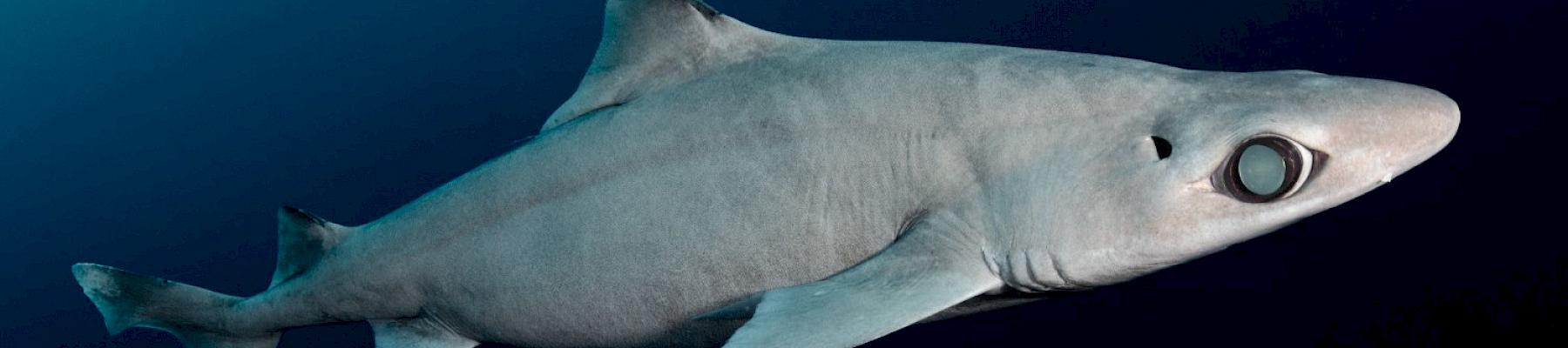
With the 15 mysterious deepwater gulper sharks now listed for maximum trade protection, TRAFFIC and partners in the Deepwater Shark Initiative (DSI) are moving fast to set out what must happen for words to become action.
 Shark conservationists were delighted earlier this week when nations at the 20th Conference of the Parties for the Convention on International Trade of Endangered Species (CITES CoP20) agreed greater protection for 70 at-risk species of sharks and rays, including gulper sharks.
The new level of protection under CITES means that commercial international trade in some species is entirely prohibited, while for other species trade can only take place if demonstrably sustainable, legal and traceable.
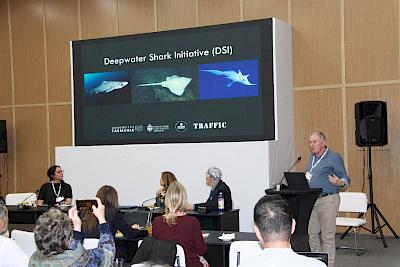
The DSI today held an event on deepwater sharks, rays and chimaeras to highlight threats to species from overfishing and discuss next steps needed to address sustainability of these fisheries and trade in their liver oil, meat and fins, as well as the 500+ other species of deepwater sharks, rays and chimaeras not yet listed on CITES.
Dr Brit Finucci, leading deepwater shark expert, said:
We are hopeful that the CITES listing of gulper sharks will lead to real action to manage these threatened species and improve their conservation status. Gulper sharks are particularly vulnerable because they grow slowly and take many years to reach maturity, so they can’t withstand the high levels of fishing seen around the world. DSI aims to support data collection and develop tools that can be used to improve fisheries management and trade of these species.”
Traceability systems are needed to demonstrate shark products in trade are from sustainable and legal sources throughout the supply chain.
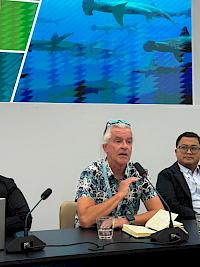
Prof Glenn Sant, TRAFFIC shark expert, said:
Gulper sharks have mostly been targeted for their liver oil which is used in many industries including cosmetics and pharmaceuticals. Other deepwater sharks are also traded for their meat, fins, and other products. It is essential we get greater transparency of deepwater shark product supply chains to ensure they are from sustainable and legal sources.”
With support from Deakin University, James Cook University, TRAFFIC, and the University of Tasmania, the DSI team led discussions on the next steps that would be necessary to improve monitoring, management and conservation actions for deepwater sharks, rays, and chimaeras.
Prof Colin Simpfendorfer from the University of Tasmania said: “There is an incredible diversity of deepwater sharks that have been largely left out of the conservation conversation. The intent of DSI is to shed light on these mysterious animals to address the gaps in our knowledge to enable their conservation.”
Convention on International Trade in Endangered Species of Wild Fauna and Flora (CITES)

The Convention on International Trade in Endangered Species of Wild Fauna and Flora, is an international agreement between governments that aims to ensure that international trade in specimens of wild animals and plants does not threaten their survival. Find out more here.