TRAFFIC Publishes Advice and Recommendations Ahead of CITES CoP20
The TRAFFIC Briefing Document outlines our recommendations and expert advice on many of the priority issues and all 51 proposals to amend the CITES Appendices on the agenda for CITES CoP20.
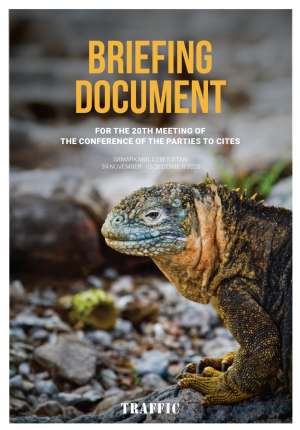 The 20th Conference of the Parties to the Convention on International Trade in Endangered Species of Wild Fauna and Flora (CITES CoP20) will take place in Samarkand, Uzbekistan, from 24 November to 5 December 2025. The timing of the meeting is significant, taking place just days after the UN Climate Change Conference, linking the issues of biodiversity loss, climate change, and unsustainable trade in wild species.
Since the last meeting (CoP19) in 2022, cooperation among global biodiversity agendas has increased, raising the profile of wildlife trade as fundamental to conservation.
Strategic Issues and Priority Areas
The Parties to CITES will examine progress and look to strengthen action on a wide range of strategic issues:
Global Biodiversity Framework: A key discussion is how to integrate CITES objectives within the Kunming-Montreal Global Biodiversity Framework (KM-GBF), particularly Targets 5 and 9 on sustainable use and tackling wildlife trafficking.
Traceability and NDFs: Traceability, Non-Detriment Findings (NDFs), and compliance are essential for achieving greater management of legal trade. Policy efforts have focused on strengthening traceability systems and ensuring that trade is not detrimental to the survival of species in the wild (NDF findings).
Technology and Enforcement: Discussions will cover anti-corruption measures, enhancing cooperation between authorities, and increasing action against online wildlife trafficking.
Indigenous Peoples and Local Communities and Livelihoods: A significant area of attention is the growing recognition of the role of local communities and Indigenous Peoples. Efforts are focused on ensuring trade supports both people and nature, making it a tool for sustainable use and livelihoods.
Health: The urgency of addressing zoonotic disease risks linked to international wildlife trade will be discussed under the CITES and One Health agenda item.
Species and Commodities
Commercially important species and high-profile taxa remain an important area of attention:
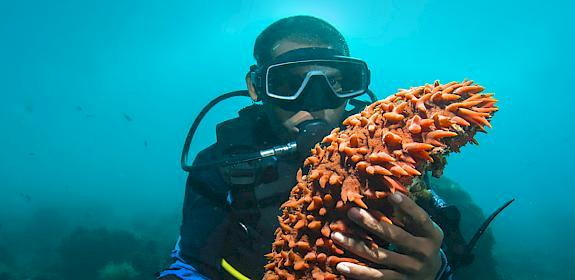
Aquatic Species: Sharks, rays, sea cucumbers, and eels will again be a central focus. TRAFFIC supports the transfer of the Oceanic Whitetip Shark to Appendix I, and the inclusion of most unlisted Anguilla (Eel) species in Appendix II as lookalikes due to identification challenges in trade.
Timber: Following the expansion of tree listings at CoP19, the regulation of the timber trade remains a major theme. TRAFFIC supports, with some caveats, transferring the Brazilwood (Paubrasilia echinata) to the strictest protection in Appendix I.
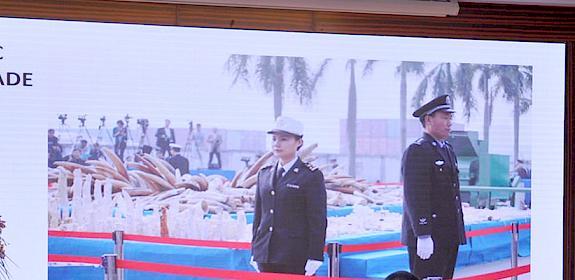
Elephants: Delegates will review the National Ivory Action Plans (NIAP) process and consider strengthening the Elephant Trade Information System (ETIS) programme, which TRAFFIC has managed on behalf of CITES Parties since 1997.
Big Cats and Rhinos: The Parties will consider recommendations for various Big Cats, including actions for Jaguars and a review of Asian Big Cat trade, where TRAFFIC recommends a new reporting mechanism modelled on the TRAFFIC/IUCN rhino report. Despite overall declining trends in poaching, Rhinoceros populations and persistent illegal horn trade remain a serious concern.
CITES CoP20 comes at a pivotal moment for wildlife trade. Our recommendations aim to help Parties turn commitments into action, strengthening traceability, ensuring sustainable and legal trade, and closing the gaps that allow illegal trade to persist. With science, collaboration, and political will, this CoP can deliver outcomes that benefit both people and nature.
Sarah Baker Ferguson - TRAFFIC Director of Policy
For many of the issues addressed in the Document, TRAFFIC has specific priority topic briefings accompanied by recent TRAFFIC reports and other research at the Parties’ disposal when preparing for their deliberations. Visit TRAFFIC’s CITES CoP20 webpage for updates and commentary perspectives on various CITES topics.
Federal Ministry for the Environment Germany

Funded by the Federal Ministry for the Environment, Climate Action, Nature Conservation and Nuclear Safety.
Convention on International Trade in Endangered Species of Wild Fauna and Flora (CITES)

The Convention on International Trade in Endangered Species of Wild Fauna and Flora, is an international agreement between governments that aims to ensure that international trade in specimens of wild animals and plants does not threaten their survival. Find out more here.